FT·TXT·005Sutra
Heart Sutra
ཤེས་རབ་སྙིང་པོ
Wylieshes rab snying poSanskritPrajñāpāramitāhṛdayaDatetranslated c. 800
The Heart Sutra condenses the Perfection of Wisdom teaching on emptiness into a single page and is among the most often recited scriptures in Tibetan Buddhism.
Also known asHeart of the Perfection of Wisdom · Sherab Nyingpo · Shernying · Prajnaparamita Hridaya
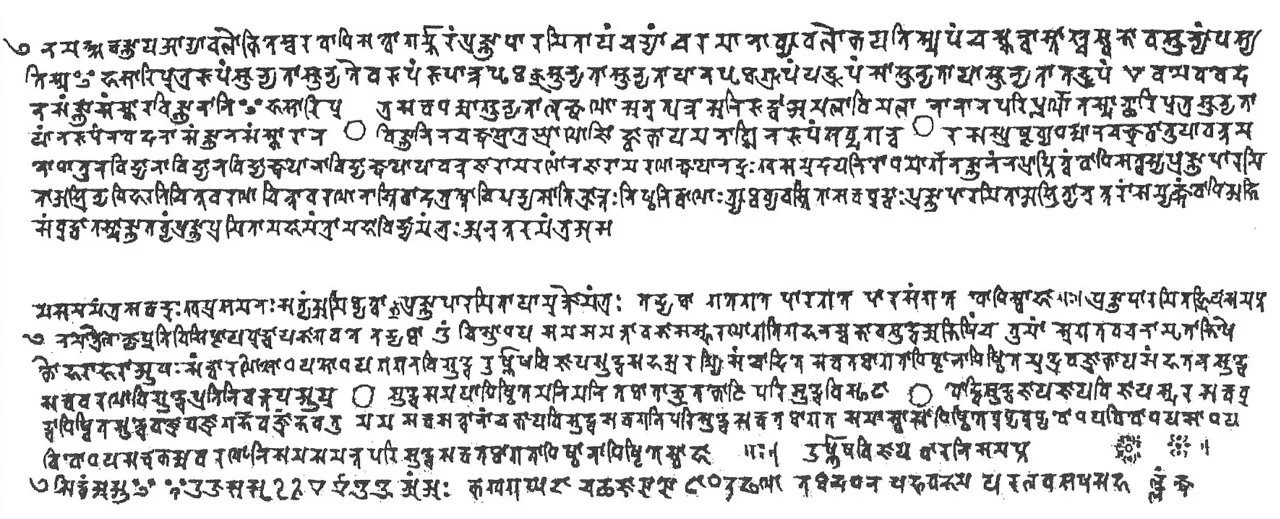
The Heart Sutra presents the essence of the Perfection of Wisdom literature in a few dozen lines. Its central statement, that form is emptiness and emptiness is form, declares that the things of experience have no existence apart from their lack of fixed nature, and that this emptiness is not found anywhere apart from them. Tibetans know the text as Sherab Nyingpo, the Heart of Wisdom. Monks and lay people memorise it, and it opens many teaching sessions.
Tibet received the longer of the two recensions. It opens on Vulture Peak near Rajagriha, where the Buddha rests in meditation while the bodhisattva Avalokiteshvara answers a question from the monk Shariputra. Avalokiteshvara negates in turn the five aggregates, the sense fields, the twelve links and the four noble truths, and ends with the mantra gate gate paragate parasamgate bodhi svaha. The Buddha then confirms the teaching. The canonical translation is credited to the Indian master Vimalamitra and the translator Rinchen De, and stands in both the sutra and tantra sections of the Kangyur.
Tibetan commentators read the mantra as a map of the five paths to buddhahood. The sutra is also chanted in a ritual for turning back obstacles, with a refrain marked by three claps of the hands. Several Tibetan copies were found at Dunhuang. A 1992 study by Jan Nattier proposed that the short recension was first assembled in Chinese from a larger sutra and later put into Sanskrit, a thesis that scholars continue to debate.
Connections
10 linked records across the archive.
Sources
References consulted for this record.
- 01Heart Sutra — Wikipedia
- 02Donald S. Lopez Jr., Elaborations on Emptiness: Uses of the Heart Sutra (Princeton University Press, 1996)
- 03Jan Nattier, 'The Heart Sutra: A Chinese Apocryphal Text?', Journal of the International Association of Buddhist Studies 15.2 (1992)